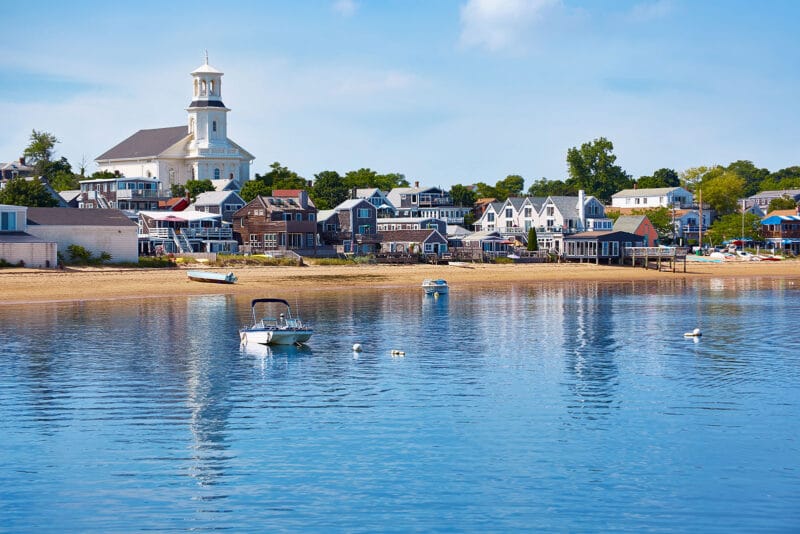
Happy Summer! I hope my newsletter finds you enjoying the warmer months of the calendar year. Its hard not to think of the beach when I think of summer; and when I think of the beach I think of seafood-Lobster, Muscles, Shrimp and Halibut just to mention a few! On a recent trip to the beaches […]
Newsletter
April is Garlic Month!
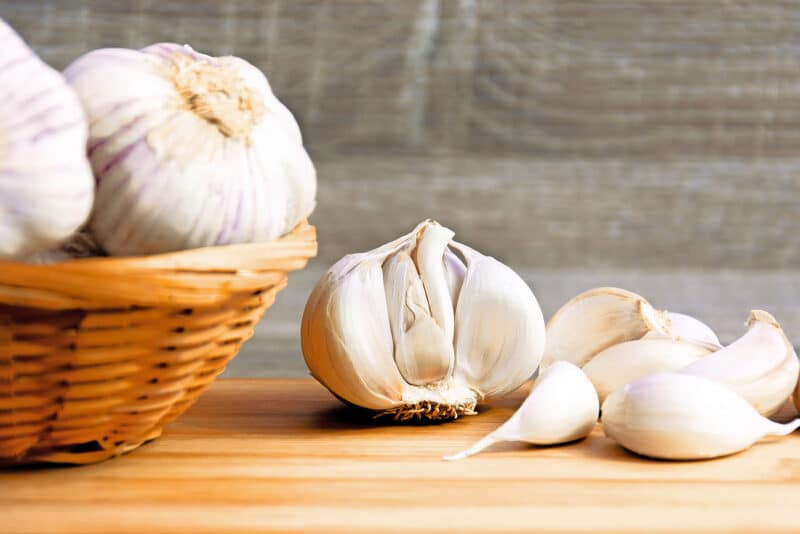
All About Garlic: The word garlic is derived from the old English word garlēac, meaning gar spear and leek, as in a spear-shaped leek. Garlic is a perennial flowering plant that produces pink to purple flowers from July to September in the Northern Hemisphere. The bulb of the garlic can contain up to 20 cloves that vary in shape Tip #1: Garlic is member of […]
Food Safety
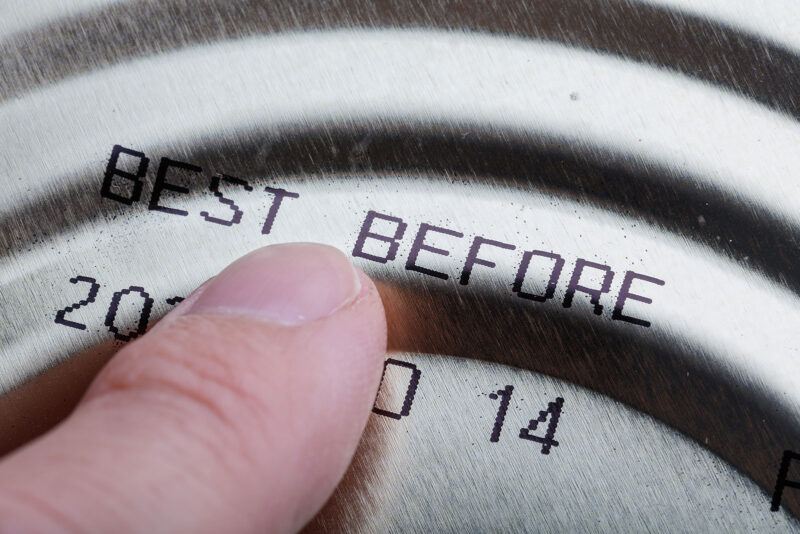
As a registered dietitian nutritionist, too often I forget that I have been educated and have a responsibility to talk about food safety. It is not just important to teach about what we eat, but also to make sure that the food we are eating is safe. We often have no idea the shelf life of foods, […]
November News and Recipes
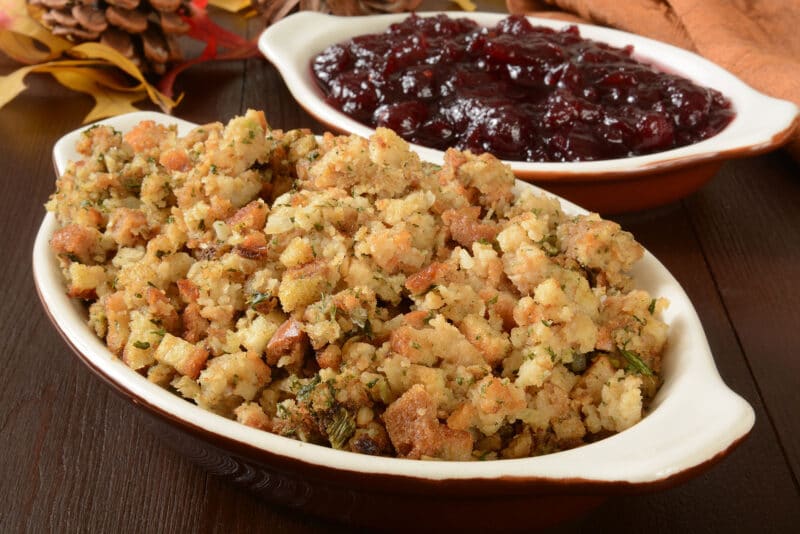
As the seasons change and fall foods emerge its hard not to find our eating habits changing, Instead of peaches and plums, we eat apples and pears. Summer barbecues turn into oven roasting. As we approach thanksgiving and our tables have less people this year I find myself doing something brand new…preparing a Thanksgiving meal. With […]
July, 2020 Newsletter
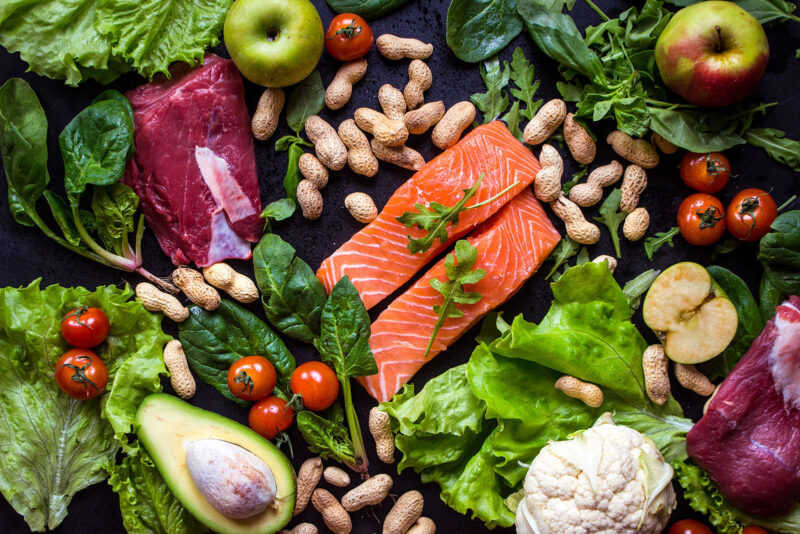
Happy summer! I hope my update finds you well enjoying some time outdoors as the weather warms up. It has definitely looked different than summers past but hopefully you can see some opportunity in that. I have tried to use this time to try new ways to get groceries….and I thought I might dedicate this […]
How to Make the Best at Home Salad
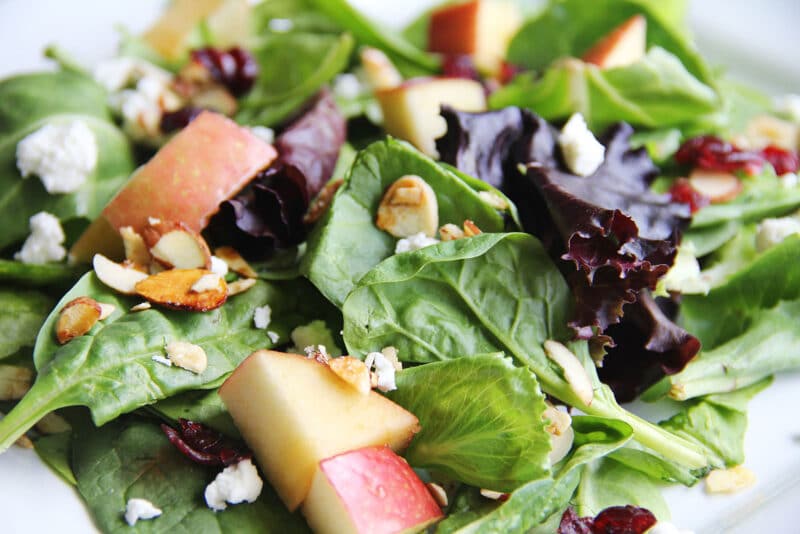
Happy June! I hope my newsletter finds you enjoying some sun and smiles, even during this dark time in our history. When I think of summer I think of salads! I recently was praised by my family for making the most delicious salad, which made me think to write this newsletter about how to make a delicious […]
May Newsletter
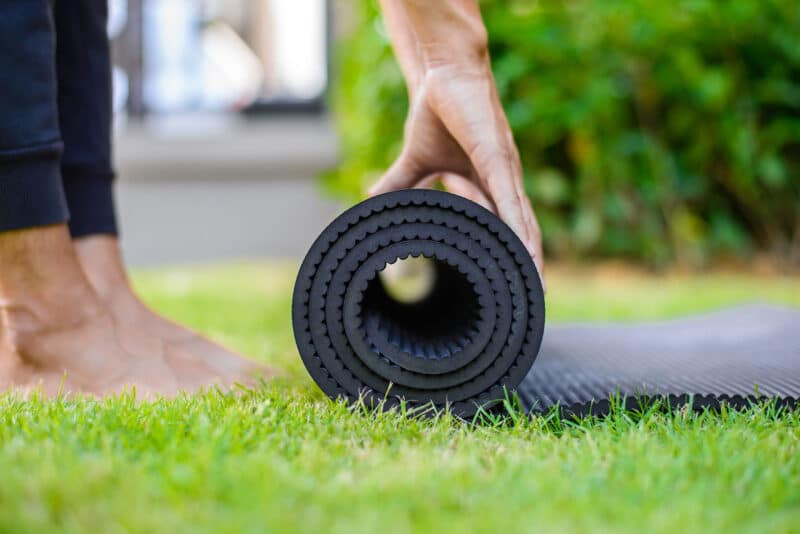
Its May, the sun is out, and I hope everyone is starting to enjoy the outdoors! I have been spending more and more time outside with the longer days and warmer weather. What have I been up too? Between virtual work sessions I have been homeschooling my 7 and 10 year old, enjoying long bike […]
April Newsletter
We are over one month into social distancing, and I do hope you have found some enjoyment in what is around you as you define new routines with work and family. In order to support the mission to stay at home, I have moved my practice to 100% virtual. I have always found tremendous value in video sessions, […]